Food hygiene and professional sanitation experts in Brampton support your business in maintaining dining venues, food supply centers, bakeries, warehouses, and food service units to code. They disinfect high-touch points, food preparation zones, equipment, floors, drains, restrooms, and food handling zones using certified sanitizers, proper dilution, and recorded contact times.
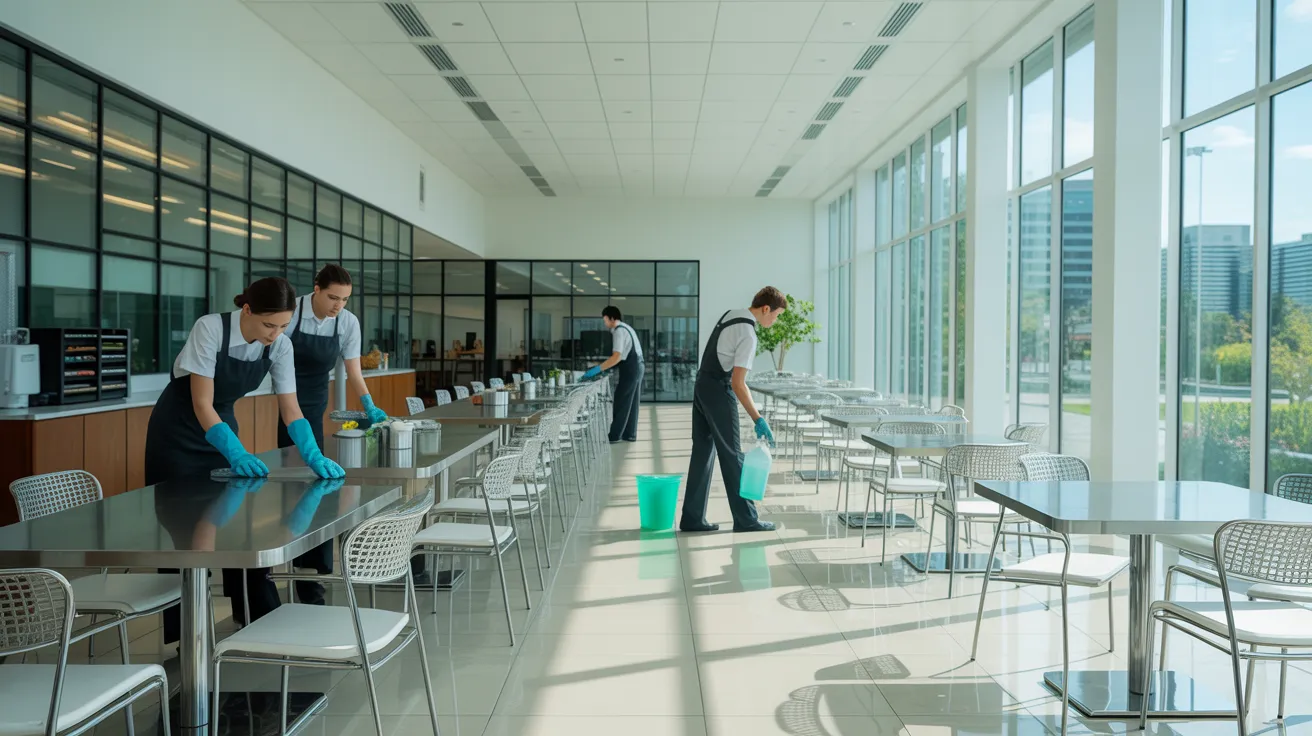
Essential Summary
- Brampton sanitation experts assist restaurants, grocery departments, commissaries, warehouses, bakeries, schools, mobile vendors, and allergen-sensitive operations.
- Sectional methods sanitize high-touch surfaces, food-contact equipment, kitchens, floors, drains, restrooms, and storage areas for avoiding cross-contamination.
- Documentation of conclusion through checks, inspections, and remedial documentation verifies trained specialists have checked proper chemical concentration, suitability, and contact time.
- Proper maintenance schedules account for risk, production rate, transitions, incidents, and regulations when assigning regular, periodic, and seasonal duties by section.
- Suppliers must demonstrate hazard analysis knowledge, public-health competency, WHMIS education, coverage, credentials, color-coded tools, and audit-ready sanitation documentation.
What Brampton Facilities Require Food Safety Cleaning?
You must adhere to food safety cleaning if your establishment is covered by public health inspection, food premises regulations, or internal HACCP-based controls. This covers eateries, dining areas, supply warehouses, retail departments, meat counters, fish departments, general stores, and facility-based kitchens.
Compliant food safety cleaning proves essential in warehouses, food manufacturing plants, cold storage sites, retail bakeries, school nutrition programs, banquet halls, and meal delivery hubs. Temporary mobile establishments apply similarly, examples being catering trucks, festival vendors, and pop-up food booths. Your location needs recorded sanitation procedures when your employees work with ingredients, section ready-to-serve foods, heat finished items, or maintain allergen storage. In Brampton, hygiene stays elective; it forms part of legal, operational, and consumer protection compliance.
Which Areas Do Brampton Cleaning Experts Cover?
Your operation needs cleaning professionals who disinfect frequently contacted surfaces, kitchens, floors, and toilet facilities for food safety and health code adherence. These specific areas are emphasized because they represent the most significant contamination risk, hazardous walking conditions, and breaches of sanitation codes.
When you understand what they clean, you can verify that your facility's cleaning scope meets compliance and operational standards.
High-Touch Surface Sterilization
Controlling high-touch surface sterilization is important for Brampton janitorial professionals because these surfaces can transfer pathogens and contaminants throughout a location. You must have a written protocol for sanitizing all high-touch items including handles, plates, switches, railings, control surfaces, POS systems, and refrigeration equipment. Using touchpoint mapping, experts locate every regularly used surface and assign cleaning intervals
By changing cloths, implementing sequential systems, and segregating disinfection materials according to area, you sustain a measurable, well-documented, and inspection-ready disinfection system.
Cooking Zones, Walking Surfaces, and Restroom Environments
Professional cleaners in Brampton concentrate on kitchens, floors, and restrooms given that each location involves distinct food safety, falling hazards, and health code requirements. In industrial kitchens, you need degreasing on cook lines, equipment exteriors, drains, prep surfaces, and splash zones to reduce contamination and pest pressure.
Floor care that is recorded should equally be anticipated. Technicians scrub and extract buildup from tile grout, ceramic surfaces, and vinyl floors, then apply proper moisture management so you can limit falls and maintain code-compliant conditions. They also handle entryways where moisture and debris migrate indoors.
Restroom cleaning requires decontaminating touch areas, bathroom equipment, stall barriers, supply stations, and bins, restocking supplies and controlling odours. They also maintain restaurant cleaning supply rooms where product storage, sink cleanliness, and drain systems impact daily sanitation standards and worker protection.
How Food Safety Cleaning Benefits Brampton Operations
To comply with regulatory mandates and pass inspections, Brampton facilities must maintain food-safe cleaning standards. You also minimize bacterial spread through proper cleaning of food-preparation surfaces, appliances, and frequently-touched items. Most importantly, you safeguard community wellness by reducing the chance of food poisoning in your establishment.
Food Safety Regulations
Food operations in Brampton face mandatory safety protocols, making food safety cleaning essential to adhering to health code requirements, protecting patrons, and eliminating enforcement action. You must maintain sanitized food contact points, documented cleaning schedules, correct sanitizer application, and auditable operational standards that align with municipal and provincial inspection expectations.
During inspections of your operation, auditors check if your cleaning procedures ensures protected inventory management, equipment sanitation, garbage disposal, and bathroom upkeep.
Contamination Management
Maintaining regulatory compliance copyrights on your capacity to prevent cross-contamination during daily food handling and cleaning. You need to partition uncooked items from finished dishes, sanitize prep surfaces between tasks, and position cleaning agents away from food surfaces. Clear procedures reduce transfer risks and reinforce steady regulatory adherence.
Building allergen isolation prevents priority allergens from contacting shared surfaces, containers, or equipment. Utilize dedicated cutting boards, color-coded tools, and strict utensil labeling so staff don't mix items in cooking or serving.Mandate hand cleaning following uncooked meats, shellfish, egg items, or allergen substances. Swap wiping cloths regularly, and confirm sanitizer strength with test strips. When you train staff to follow these controls each shift, you create a cleaner, safer operation that exceeds Brampton's safety standards consistently.
Public Health Assurance
Should food safety cleaning break, you don't simply risk a failed inspection—you expand the odds of contamination-related sickness impacting customers, staff, and the wider Brampton population. You also weaken your role in protecting public health, especially in high-traffic food premises where pathogens travel quickly through surfaces, equipment, and touchpoints.
You must establish sanitation protocols that remove contaminants, disinfect correctly, and confirm effectiveness. This requires following contact periods, utilizing approved disinfectants, logging schedules, and training employees to meet health-unit expectations. These controls promote pathogen reduction by limiting pathogens before reaching food or hands. Across Brampton, effective sanitation protects at-risk populations, reduces disease potential, and demonstrates accountability. When you follow standards, you exceed regulations—you substantially lower hazards and enable safer food service city-wide.
Why Is Cleaning Essential for Food Safety Compliance?
Maintaining thorough cleaning protocols promotes food safety compliance by lowering contamination exposure, limiting pathogen development, and keeping your facility aligned with sanitation requirements under HACCP-based programs and public health regulations. You ensure that contact surfaces are visibly clean and microbiologically controlled, supporting documented preventive controls and inspection readiness.
Conscientious cleaning further solidifies allergen management by eliminating residues that can trigger undeclared allergen exposure. When you combine established sanitation practices with standards training, your staff can follow standardized methods, apply approved chemicals properly, fill out documentation correctly, and handle irregularities in advance of problems worsen. Ongoing cleaning promotes product tracking, validates corrective steps, and demonstrates accountability during audits. It also helps you protect product safety, copyright compliance standards, and reduce the possibility of enforcement actions, recalls, customer complaints, and unnecessary health hazards.
How Ought You Arrange Commercial Cleaning Services?
maintenance activities.
Schedule seasonal thorough cleaning during shutdowns, weather-related soil buildup, or pest-pressure periods
Selecting the Right Brampton Cleaning Experts: Key Considerations
Begin by evaluating providers based on food-safe sanitation requirements—not solely on price alone. You should confirm that each organization comprehends CFIA, public health, and HACCP-based requirements applicable to your facility. Request insurance certificates, WHMIS compliance, staff training documentation, and practical advice oversight procedures. Assess whether technicians recognize cross-contamination risks, chemical handling protocols, and verifiable sanitation records.
You should further examine service consistency and answerability. Request testimonials from Brampton food businesses, then review reply speed, corrective action plans, and communication standards. Validate the company supports supplier audits and can present inspection-ready documentation to regulators or third parties. Confirm equipment receives maintenance, color-coded implements are used appropriately, and site-specific hazards are identified. A qualified provider ensures regulatory compliance, product quality, and your reputation in the market.
What aspects should a sanitation plan contain?
Put together a written plan that clarifies every sanitation task, standard, and responsibility ahead of production commencement. You should list cleaning frequencies, approved chemicals, dilution rates, contact times, tools, and verification methods for each sector, surface, and equipment. Make sure to include pre-operational inspections, corrective actions, and employee training requirements.
Your strategy should also address prevention of contamination, waste management, pest-control tactics, and scheduled records for restrooms, drains, floors, and food-contact areas. Specify how you'll separate raw and ready-to-eat processes, facilitate ingredient tracking, and keep accurate allergen labeling through validated cleaning between product changes. You should assign accountability, keep signed records, and assess results against regulatory standards, HACCP controls, and customer requirements. When gaps appear, update procedures immediately and instruct staff.
Popular Asked Inquiries
Are sanitation providers offered for nighttime operations in Brampton properties?
Yes, you can schedule cleaning services to accommodate overnight shifts in Brampton facilities. You'll coordinate overnight sanitation around operational schedules, access controls, and personnel needs. Providers typically map nightshift logistics to reduce disruption, maintain compliance, and document completed tasks. You should confirm response times, oversight, lockout procedures, and waste handling before service begins.
Are emergency spill response services available from Brampton cleaning experts?
Yes, you can expect many Brampton cleaning experts to offer hazard containment services. They manage hazardous materials, evaluate dangers, contain contamination, and start rapid decontamination to minimize risk and operational disruption. You should verify arrival timeframes, professional credentials, safety procedures, and disposal procedures. If your facility must comply with industry standards, select a service that records events, maintains regulatory procedures, and supports audit readiness.
Can plant-based disinfectants be deployed safely on food preparation areas?
Absolutely, natural disinfectants can be secure for food-handling equipment when you pick disinfectants approved for food contact and regulatory compliant. You must verify contact duration, mixing proportions, and rinsing needs prior to application. Natural-based solutions minimize toxic chemical contact, though you should gather demonstration of efficacy against relevant pathogens. For ensuring residue-free conditions, implement precise manufacturer instructions and verify your disinfectant adheres to food sanitation requirements.
Do sanitation programs permit seasonal production changes?
Certainly, sanitation programs adjust to production fluctuations readily. Modify intervals, personnel, cleaning agents, and validation steps to fit with production rhythms while preserving regulatory requirements. Minimize production downtime by timing sanitization alongside line changes, high demand periods, and operational patterns. Further update standard operating procedures, training, and environmental testing to capture transient threats, emerging allergens, or elevated soil levels. Periodic assessments preserve your program functional.
Are commercial cleaners offering employee instruction on sanitation best practices?
Yes, commercial cleaners often train your team on hygiene standards. You get staff training on proper chemical use, contact times, contamination control, machine breakdown, and record keeping. They typically align instruction with HACCP, GMP, and CFIA or regional health department regulations. Many perform hygiene inspections to confirm adherence, identify gaps, and strengthen remedial steps. This helps you sustain uniform processes, pass inspections, and minimize contamination hazards regularly.
Closing Remarks
Through engaging Brampton commercial cleaning and food safety specialists, you accomplish much beyond organizing—you ensure your facility for inspections and your procedures meet requirements. From production floors to kitchens, all maintained surfaces and kept corners reduce contamination risks and avoid major losses. Through booking service on suitable timelines and adhering to a comprehensive cleaning program, you ensure protection for your team, your patrons, and your standing. Within strict regulatory frameworks, proper sanitation must be a priority—they are fundamental to success.